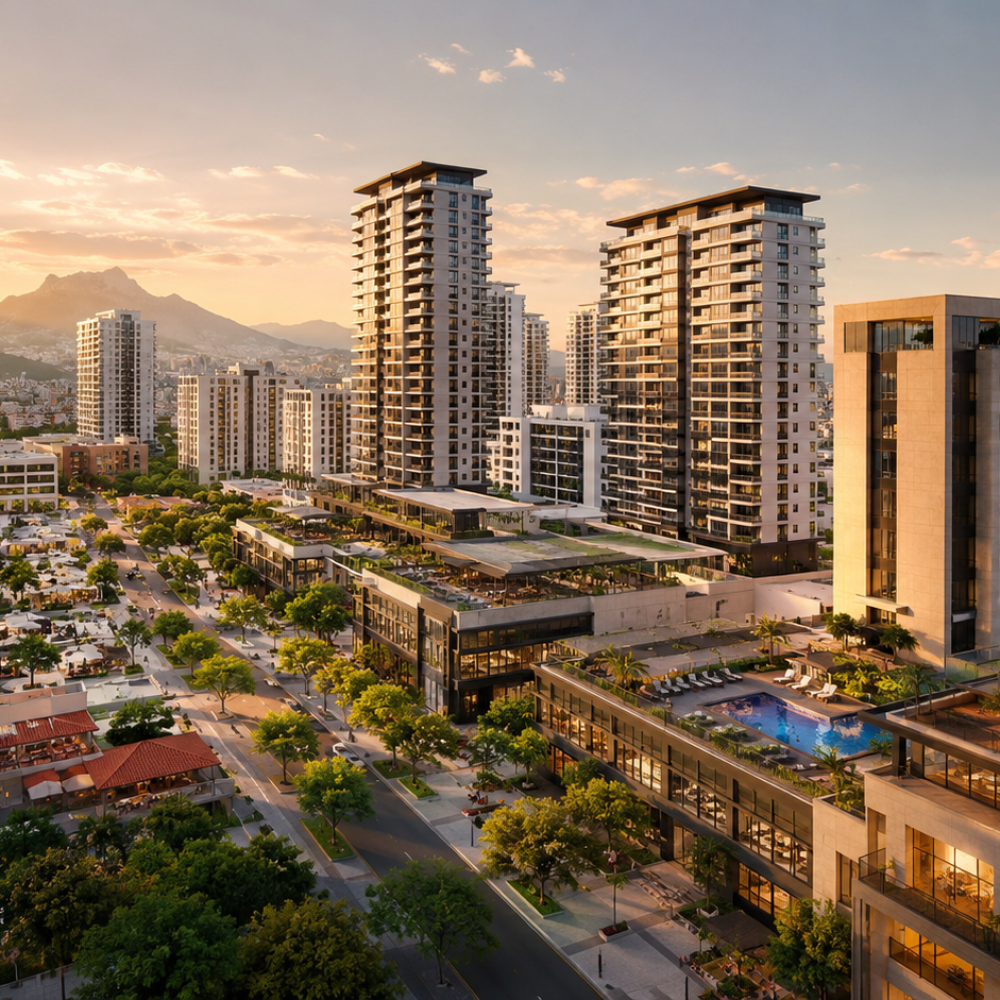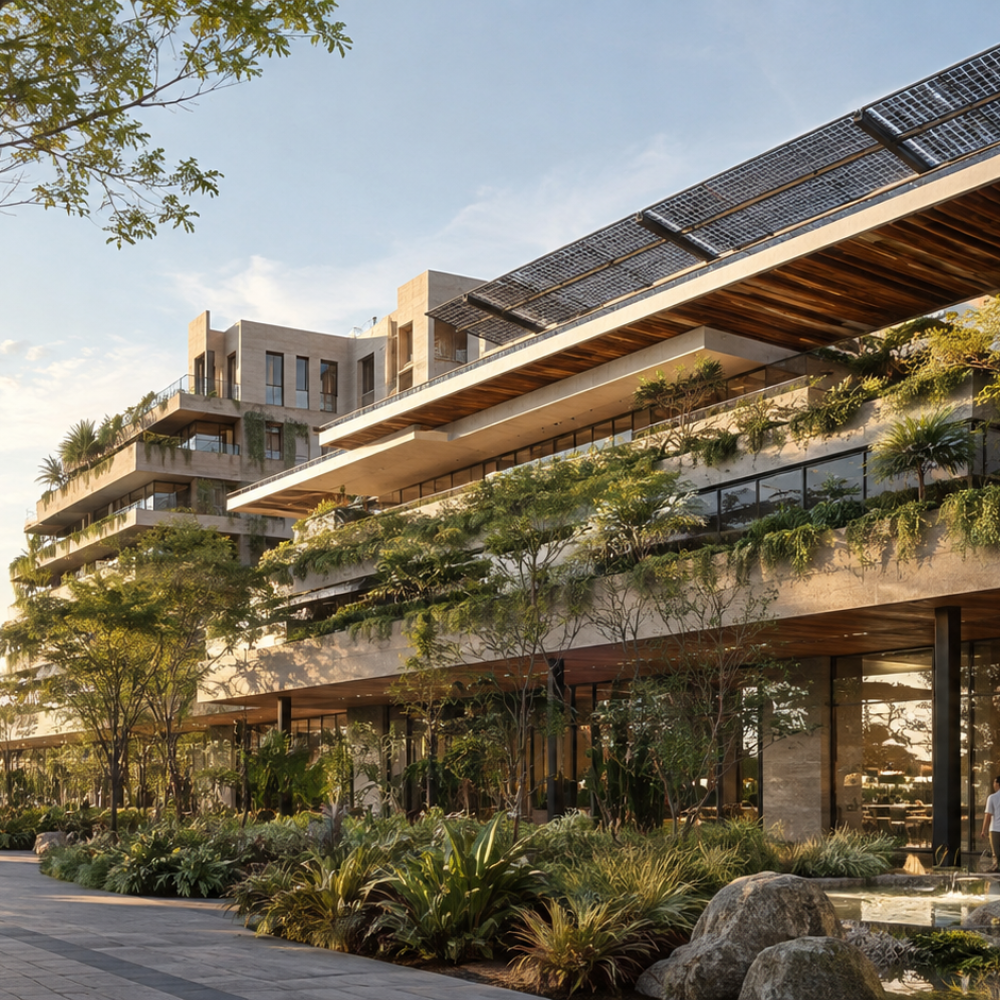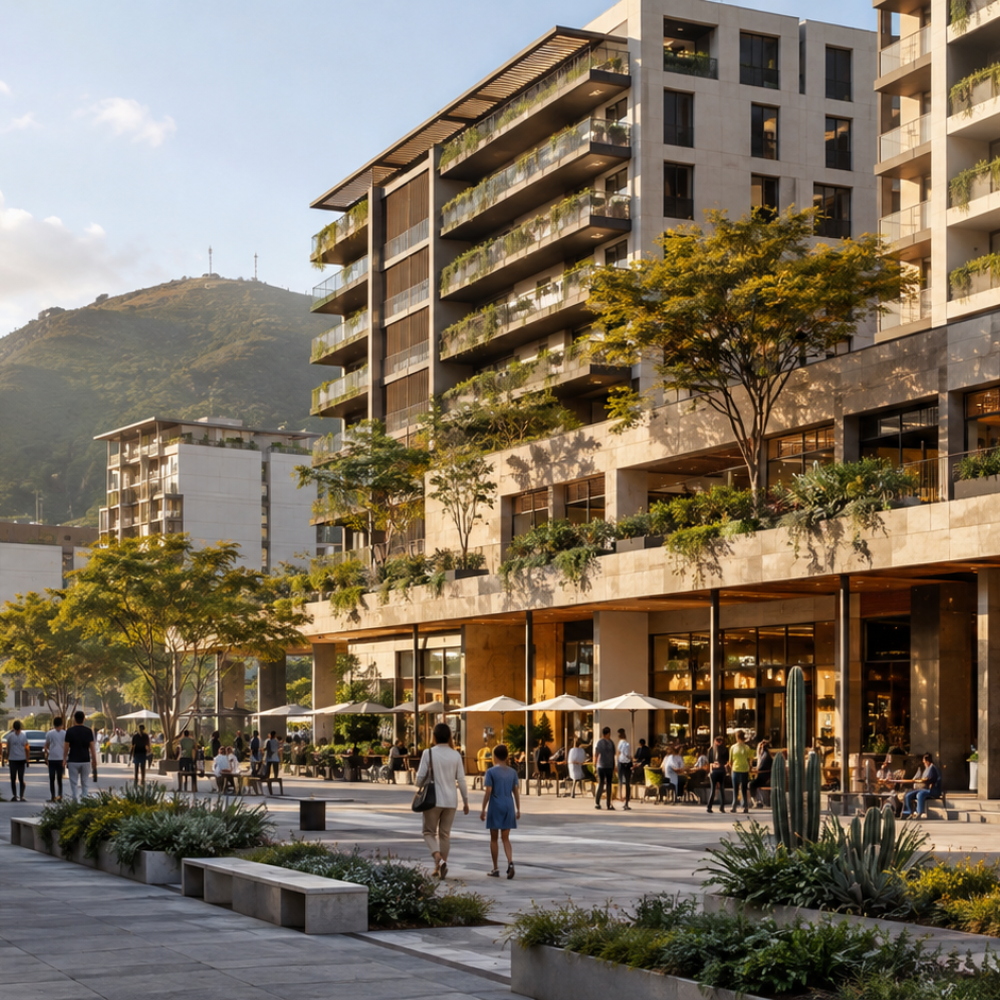
Sustainability has become a fundamental component of modern real estate development. It is no longer viewed as an optional feature, but as a strategic approach that can improve operational performance, strengthen communities, and protect the long-term value of a property.
For developers, investors, tenants, and residents, sustainable real estate represents a more intelligent way to design, build, and operate urban environments.
Sustainability Begins with Planning
A sustainable development starts long before construction begins. Decisions related to location, orientation, materials, mobility, infrastructure, water, and energy can influence the environmental and financial performance of a project for decades.
Effective planning considers:
- The characteristics of the site
- Existing urban infrastructure
- Access to transportation
- Local climate conditions
- Energy and water consumption
- Materials and construction processes
- The needs of future users
- The project’s relationship with the community
By integrating these elements from the beginning, developers can reduce future operating costs and create more resilient properties.
Energy and Water Efficiency
Buildings represent a significant portion of energy and water consumption in modern cities. For this reason, efficient systems are essential to sustainable real estate development.
Solutions may include LED lighting, smart climate controls, high-performance façades, efficient mechanical equipment, rainwater collection, water treatment systems, and low-consumption fixtures.
These features can reduce operating expenses while improving the experience of tenants, residents, and visitors.
Technology as a Strategic Tool
Technology is changing the way real estate assets are managed. Smart building platforms can monitor energy use, equipment performance, security, access, occupancy, and maintenance requirements.
This information allows operators to identify inefficiencies and make decisions based on real-time data.
Technology can also help anticipate maintenance needs, extend the useful life of building systems, and provide more personalized experiences for users.
The goal is not simply to add more technology, but to use it to improve performance, comfort, and long-term profitability.
Designing for People
Environmental performance is only one part of sustainability. A truly sustainable project must also improve quality of life.
Natural light, ventilation, accessibility, green areas, pedestrian connectivity, and community spaces can have a meaningful impact on how people experience a development.
Projects designed around people can create healthier, safer, and more inclusive environments. This human-centered approach also helps properties remain relevant as lifestyles and expectations evolve.
Resilience and Long-Term Performance
Real estate projects must be prepared to respond to changing economic, environmental, and social conditions.
Resilient developments are designed to adapt. Flexible spaces, durable materials, efficient infrastructure, and responsible resource management can reduce exposure to future risks.
This adaptability is especially important for large-scale residential, commercial, hospitality, and mixed-use projects with long operating cycles.
Sustainability as an Investment Strategy
Sustainable real estate can deliver benefits throughout the entire life cycle of a project.
Potential advantages include:
- Lower operating costs
- Improved resource efficiency
- Stronger tenant attraction and retention
- Greater adaptability
- Better user experiences
- Reduced environmental impact
- Increased long-term competitiveness
For investors, these characteristics can strengthen the stability and positioning of a real estate asset.
Creating Real Estate with Purpose
At INLAND®, sustainability and technology are part of a broader vision of responsible development. Our objective is to create environments that respond to current urban challenges while remaining valuable for future generations.
Sustainable real estate is not defined by a single feature or certification. It is the result of integrated decisions that balance design, performance, investment, and quality of life.
Building responsibly today means creating stronger cities tomorrow.